Last Updated: November 22, 2026
Quick Summary
A winter chauffeur uniform works best through layering rather than a single heavy coat. Use thin merino base layers, a slim insulated mid-layer under the suit, a water-resistant overcoat, thin touchscreen-compatible gloves, and non-slip winter dress shoes for safe, professional winter weather service.
- Use synthetic or merino wool base layers instead of cotton, which holds cold once damp.
- Choose a thin, fitted mid-layer like a sleeveless insulated vest that lays flat under the jacket.
- Pick a dark wool or wool-blend overcoat with a quilted lining and some water resistance.
- Wear thin touchscreen-compatible gloves, adding a removable liner glove for fine tasks.
- Select dress boots with rubber tread designed for wet and icy surfaces, paired with moisture-wicking socks.
Table of Contents
- Cold Weather Layering for Work Without Bulk
- Choosing a Chauffeur Overcoat That Balances Formality and Warmth
- Winter Driving Gloves That Keep Hands Warm and Functional
- Non-Slip Winter Work Shoes for Snow, Ice and Curbside Pickups
- Head, Neck and Face Protection That Suits a Professional Uniform
- Booking Your Winter Chauffeur Service With Skylink Limousine
- Frequently Asked Questions
Dressing a chauffeur for winter weather is a balancing act. The uniform has to look sharp in the back of a Toronto hotel forecourt, and it also has to keep the driver functional when the temperature drops well below freezing. Most people assume the answer is simply a heavier coat, but that approach usually fails. Bulk ruins the silhouette, restricts movement and makes it harder to open doors, handle luggage or sit comfortably behind the wheel. The right chauffeur uniform for winter weather depends on layering, fabric choice and fit rather than on warmth alone.
The challenge is that winter conditions change quickly. A driver may step from a heated vehicle into wind chill, wait curbside at an airport arrivals level, then return to a warm cabin within minutes. Each transition puts different demands on the clothing. A practical uniform has to manage moisture, insulate without adding visible bulk and protect the extremities without compromising grip or dexterity.
Here is the core tension: a formal uniform is designed to look uniform, while cold-weather gear is designed for function. Bridging the two takes deliberate planning.
Cold Weather Layering for Work Without Bulk
Layering is the foundation of any workable winter uniform. The goal is three distinct layers that each do one job well: moisture management against the skin, insulation in the middle, and wind and water protection on the outside. Used together, they keep a driver warm without the stiff, padded look that undermines a professional appearance.
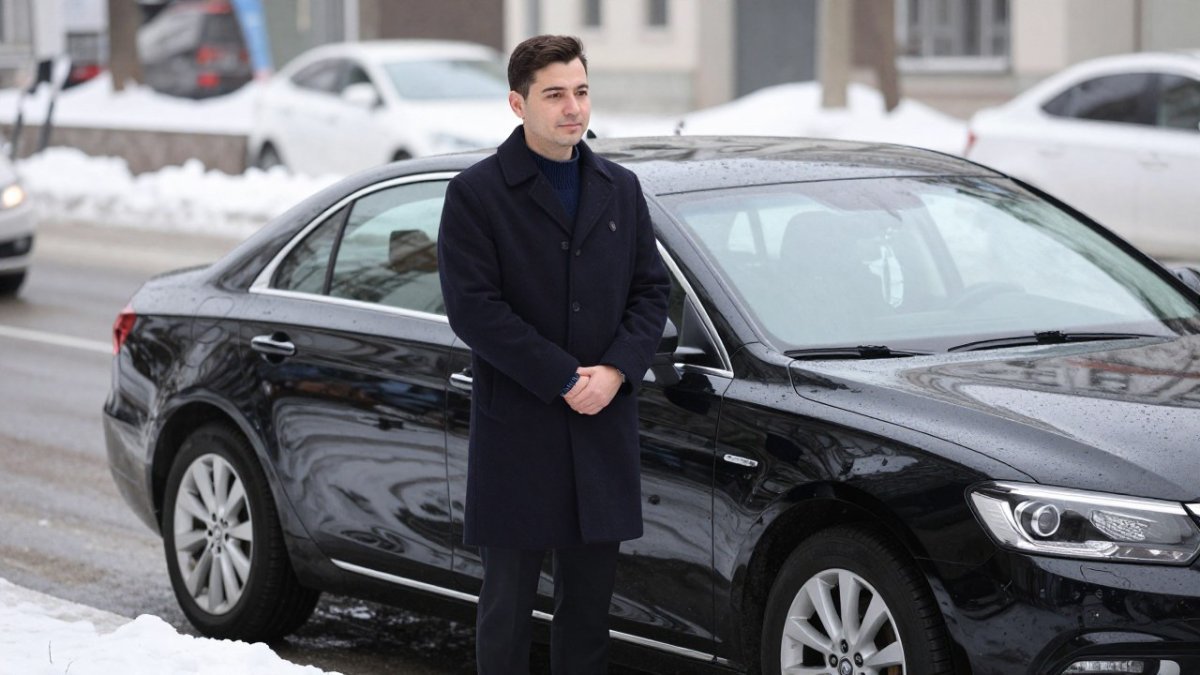
Thin, fitted layers beat thick ones. Several light pieces trap more warm air than a single heavy garment, and each can be added or removed as conditions shift between the car and the curb. This matters on long airport waits, when a driver can start cold and then overheat once the cabin heating kicks in.
Thermal Base Layers and Long Underwear
The base layer sits directly against the skin, and its job is to pull moisture away from the body. Sweat that stays on the skin cools quickly once a driver stops moving, which is why cotton is a poor choice here. Synthetic or merino wool blends wick moisture more effectively and stay warm even when damp.
Choose a base layer that is close-fitting but not tight. It should disappear under a dress shirt without creating ridges or bunching at the waist. Long underwear for the legs follows the same principle, and the fit should allow easy sitting and pedal use without riding up.
A common mistake is wearing a cotton undershirt out of habit. Once it gets damp, it stops insulating and starts drawing heat away from the body, which is the opposite of what a winter uniform needs.
Insulating Mid-Layers That Fit Under a Suit
The mid-layer provides the bulk of the warmth, and this is where most uniforms go wrong. A fleece or heavy knit that looks fine on its own can push the suit jacket out of shape. The better choice is a thin, lightweight insulated piece, such as a fine merino knit or a thin down or synthetic-fill vest, that layers flat under the jacket.
Check the fit with the full uniform on, not in isolation. Lift your arms, reach forward and sit down. If the shoulders pull or the jacket no longer closes, the mid-layer is too thick. A sleeveless insulated vest is often the most practical option, because it keeps the core warm while leaving the arms free and the tailoring intact.
Choosing a Chauffeur Overcoat That Balances Formality and Warmth
The overcoat is the most visible piece of the winter uniform, and it carries most of the formality. A classic dark wool or wool-blend overcoat, cut long enough to cover the suit and fitted through the shoulders, meets the expectations of a premium service. Look for a fabric with some water resistance, since a coat that soaks through during a snowy pickup looks worse than one that simply looks plain.
The lining matters as much as the outer shell. A quilted or thermal lining traps warmth without adding exterior bulk. Avoid overcoats with heavy padding, which change the silhouette and make it awkward to get in and out of a vehicle.
Length and cut also affect practicality. A coat that falls just below the hip keeps the lower body warm while still allowing the driver to slide behind the wheel. A tailored double-breasted or single-breasted style with a sturdy collar holds its shape better in wind than a loose, unstructured one.
Winter Driving Gloves That Keep Hands Warm and Functional
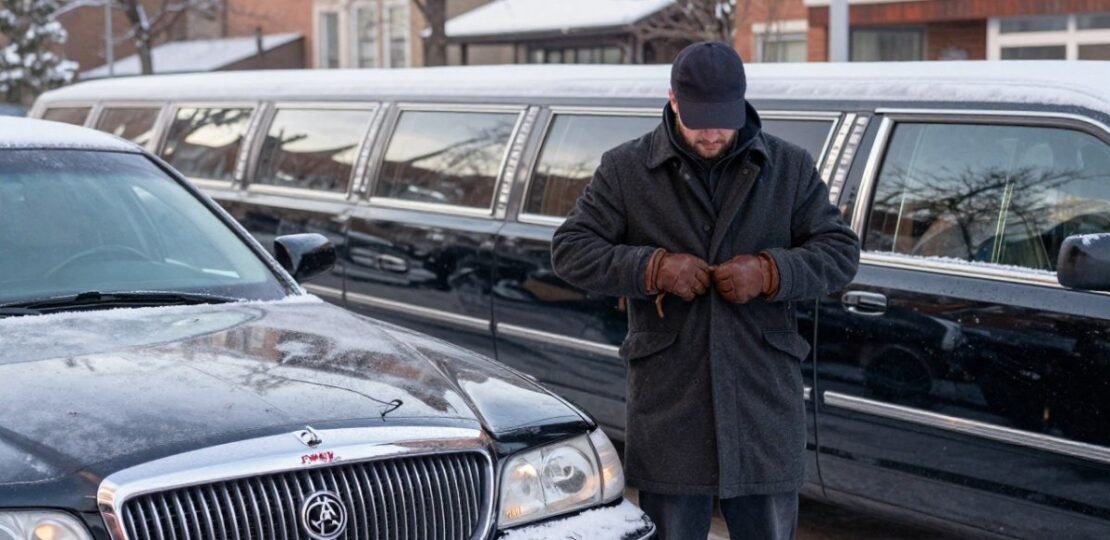
Hands are the hardest part of the uniform to balance. A driver needs to grip a steering wheel, operate door handles, handle luggage and work a phone, and cold fingers lose that dexterity quickly. Thick mittens are warm but clumsy, and bulky gloves make it difficult to feel the controls.
Thin, touchscreen-compatible leather or knit gloves with a fleece or thermal lining offer a reasonable compromise. They keep the hands warm while preserving grip, and they can be removed quickly when a driver needs to handle a card or sign for a passenger. For extreme conditions, a thin liner glove worn under a heavier outer glove provides flexibility, since the outer layer can be removed for fine tasks.
Gloves should be fitted without being tight. A glove that restricts blood flow to the fingers defeats the purpose of keeping them warm.
Non-Slip Winter Work Shoes for Snow, Ice and Curbside Pickups
Footwear is where a uniform is most likely to fail on safety. Dress shoes with smooth leather soles can be slippery on wet pavement. The shoe has to look appropriate with a suit while providing reliable traction.
Look for a dress boot or Oxford with a rubber or rubber-compound sole that has a tread pattern designed for wet and icy surfaces. Many leather-upper winter boots now use discreet, flat soles that suit formal wear. Check the sole and heel grip on a wet surface before committing to a pair.
Insulation matters too (CCOHS: Cold Environments). A felt or thin shearling lining keeps the feet warm without making the shoe bulky, and a moisture-resistant upper keeps the feet dry during long curbside waits. Pair the shoes with warm, moisture-wicking socks rather than cotton, which holds cold once damp.
Head, Neck and Face Protection That Suits a Professional Uniform
Head, neck and face protection is where a winter chauffeur uniform most visibly collides with formality, and it is also where the vehicle-to-curb transition is won or lost. A driver who steps from a heated cabin into wind chill at an airport arrivals level needs coverage that can go on and come off in seconds, stores cleanly in the vehicle, and still looks composed at the rear door.
The practical default is a fine-gauge wool or cashmere-blend scarf in a neutral color that matches the overcoat, worn close to the neck rather than draped loosely. A thin neck gaiter in merino or a technical knit is a good alternative because it stays put in wind and does not trail into the door frame.
Face protection is the piece most often left out. In deep cold, a thin balaclava-style liner under the cap protects exposed skin during a curbside wait, and it should be removable so the driver can present a clean, uncovered face at the door. The key mechanism is layering for removal: the outer cap and scarf come off first, the liner last, so the driver never stands at the door fumbling with several pieces at once.
Employer policy shapes what is acceptable here. Many uniform programs specify approved colors, a logo placement on the cap or scarf, and whether a gaiter is permitted at all, so check the dress code before buying accessories. Standardizing on one cap and one scarf style across a team keeps the presentation consistent and avoids the mismatched look that undermines a premium service. Keep the total to a few well-chosen pieces: a driver who arrives composed and warm, with accessories that match the coat and store out of sight, is more effective than one who has layered on everything available.
The article’s head, neck and face advice comes down to a few key choices, summarised below.
| Item | Recommended choice | Key point |
|---|---|---|
| Scarf | Fine wool or cashmere blend, neutral colour | Worn close to the neck, not loosely draped |
| Neck gaiter | Merino or technical knit | Stays put in wind, does not trail into door frame |
| Cap | Close-fitting fine knit, black or uniform colour | Brim can be turned down during curb waits |
| Face liner | Thin balaclava-style, removable | Removed last so the face is uncovered at the door |
| Accessory storage | Dedicated breathable pouch or pocket | Keeps pieces flat and dry, not crumpled in a glovebox |
Booking Your Winter Chauffeur Service With Skylink Limousine
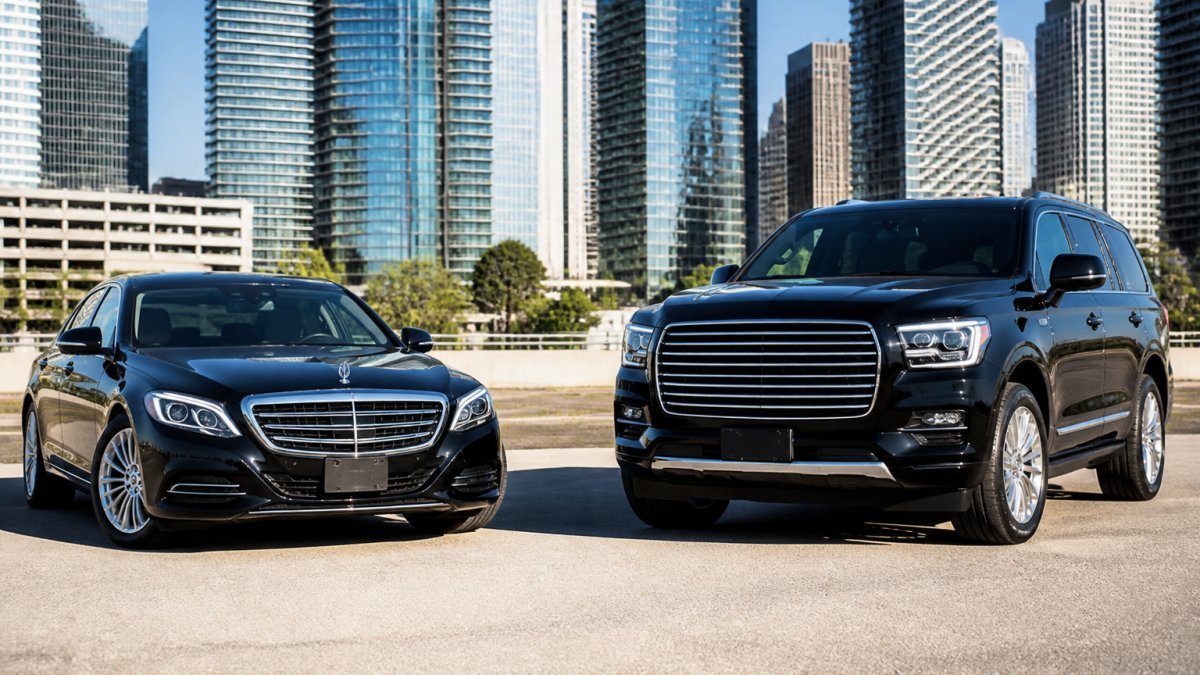
A well-dressed chauffeur is only part of a reliable winter service. The rest depends on planning, vehicle readiness and clear communication before the trip. Skylink Limousine’s fleet ranges from sedans to coaches, and our chauffeurs wear formal attire. We also provide 24/7 support, Wi-Fi, privacy dividers and entertainment systems, so passengers stay comfortable whether they are traveling to the airport or to a corporate event.
If you are planning a winter trip, you can book your chauffeur service online and see what a professional pickup looks like on our Toronto skyline arrival page. To learn more about who stands behind the service, read about Skylink Limousine. For a deeper look at the standards behind a polished uniform, read our article on the importance of formal attire for chauffeurs, or explore what to expect from professional chauffeurs before you book.
Pricing depends on vehicle type, distance, timing and the length of the booking, so the most accurate figure comes from a direct quote. Contact Skylink Limousine to confirm current rates and availability for your winter trip. Get your next pickup arranged with Skylink Limousine and travel the cold months with confidence.
Frequently Asked Questions
What should a chauffeur wear in winter?
A chauffeur in winter weather should wear a formal uniform built in layers: a thermal base layer, a dress shirt, suit trousers or wool pants, an insulating mid-layer if needed, and a dark overcoat over everything. The uniform should stay black or navy so it matches the formal standard expected by clients, while the layers handle the cold. Gloves, warm socks and winter-appropriate shoes complete the outfit. Garments should fit loosely enough for freedom of movement when loading luggage and operating the vehicle.
How can chauffeurs stay warm while maintaining a professional appearance?
The most effective approach is to add warmth underneath the uniform rather than over it. Thermal base layers and long underwear sit against the skin and disappear under a dress shirt and trousers. A thin, fitted insulating layer adds warmth without visible bulk. Moisture-wicking fabrics keep the body dry, which matters because damp clothing loses heat quickly. Removable layers let a chauffeur adjust when moving between a heated vehicle and a cold curb.
What type of coat is best for a chauffeur in cold weather?
A dark, tailored wool or wool-blend overcoat with a water-resistant outer finish usually suits chauffeur work best. It keeps the wearer looking formal in front of clients while blocking wind and light precipitation. Length matters: a coat that reaches the knee protects the legs when standing outside during pickups. Coats should be roomy enough to layer over a suit jacket and should not restrict the arms when driving or handling bags.
Which gloves allow chauffeurs to handle luggage and operate a vehicle?
Thin, touch-compatible leather or knit gloves with a grip-friendly palm let a chauffeur work the steering wheel, doors and luggage without losing dexterity. Heavier insulated gloves are too bulky for fine tasks, so many chauffeurs keep a thinner pair for driving and a warmer pair for waiting outdoors. Gloves should be black or dark brown to match the uniform, and they should be replaced once the lining or grip wears thin.

RELATED POSTS
View all