Last Updated: October 29, 2026
Quick Summary
To avoid surge pricing, check the demand map and get a baseline estimate before you request a ride, then decide in a fixed order: wait, move your pickup pin, change ride type, or compare another provider. Waiting only helps when demand is temporary, so reassess every 10 minutes and switch tactics once the multiplier holds steady.
- Requesting the ride before checking the price locks in the fare shown at that moment.
- Set a 10-minute reassessment interval and stop waiting when the multiplier holds or pickup time grows.
- Dragging the pickup pin a block or two can show a lower fare before you commit to walking.
- Leaving 30 minutes earlier or later helps you dodge busy periods and cheaper adjacent pickup zones exist near airports and venues.
- A fixed fare is locked at booking, while surge pricing changes with demand and carries peak-hour risk.
Table of Contents
- Why Surge Pricing Happens and How It Affects Your Fare
- How to Avoid Surge Pricing on Uber
- Does Waiting Lower Surge Pricing?
- Ways to Get Cheaper Rides During Peak Hours
- Surge Pricing vs Fixed Fare: What Actually Costs Less
- How to Compare the Total Cost of Your Alternatives
- Book a Fixed-Fare Chauffeur for Your Next Trip
- Frequently Asked Questions
Why Surge Pricing Happens and How It Affects Your Fare
Surge pricing is a dynamic pricing model that raises ride-hailing fares when rider demand outpaces driver supply in a given area.
The logic is simple supply and demand. When many people request a ride at once, the app raises the price to pull more drivers toward that area. Fares fall back once demand eases.
Here is what can drive a surge fare up:
- Real-time demand spikes: concerts, games, conferences, and last-call crowds
- Driver availability drops: shift changes, bad weather, or late nights
- Tight pricing areas: downtown cores and airport pickup zones
The result is fare uncertainty. A fare estimate shown at 4:55 PM can jump by the time you actually request a ride. That unpredictability is the real problem, not the concept itself.
How to Avoid Surge Pricing on Uber
One practical way to avoid surge pricing on ride-hailing apps is to check the demand map before you request, then decide in a fixed order: wait, move, change ride type, or compare another provider.
Here is a step-by-step, app-agnostic decision process:
- Check the demand map first. Open the app and look at the surge or demand layer before you enter a destination. If the pickup zone is shaded or shows a multiplier, you already know the fare is elevated.
- Get a baseline estimate. Enter the destination and note the upfront price. Compare it against what the same route costs at a quiet time, most riders have a rough sense of their regular commute fare. If the quote is noticeably above that baseline, treat it as a surge fare.
- Decide whether to wait. Consider giving it a few minutes and refreshing the estimate. If the multiplier is dropping with each refresh, keep waiting. If it has held steady, move to the next step.
- Move the pickup pin, not yourself, first. Many apps let you drag the pickup pin a block or two without walking. Check whether the adjacent zone shows a lower fare before you commit to walking.
- Walk only to a safe, legal, reachable spot. One or two well-lit blocks toward a quieter street often drops the multiplier. Do not cross a highway, rail line, or unlit area to chase a lower zone.
- Compare ride types inside the same app. Pooled or shared options, and higher-capacity vehicles, can price differently during demand spikes. Check each before you request.
- Compare providers. Open a second app and price the same trip. Surge is set per platform, so a competitor may be lower even at the same moment.
- Prebook only if you understand what is guaranteed. A scheduled ride reserves a car, but it does not always lock in a base fare. The app may show an estimate at booking and charge the final fare after the trip, and cancellation terms can differ from an on-demand ride. Read the fare terms before you rely on a scheduled price.
A common mistake is requesting the ride first and checking the price second. Once you tap, you accept the fare shown at that moment. Check the map and the estimate first, then request.
Changing your pickup location to a spot across a highway or rail line can leave you stranded and unsafe. Only move to a well-lit, accessible spot you can actually reach on foot, and check that the new pin is a legal pickup area, not a no-stopping zone, bus lane, or private lot.
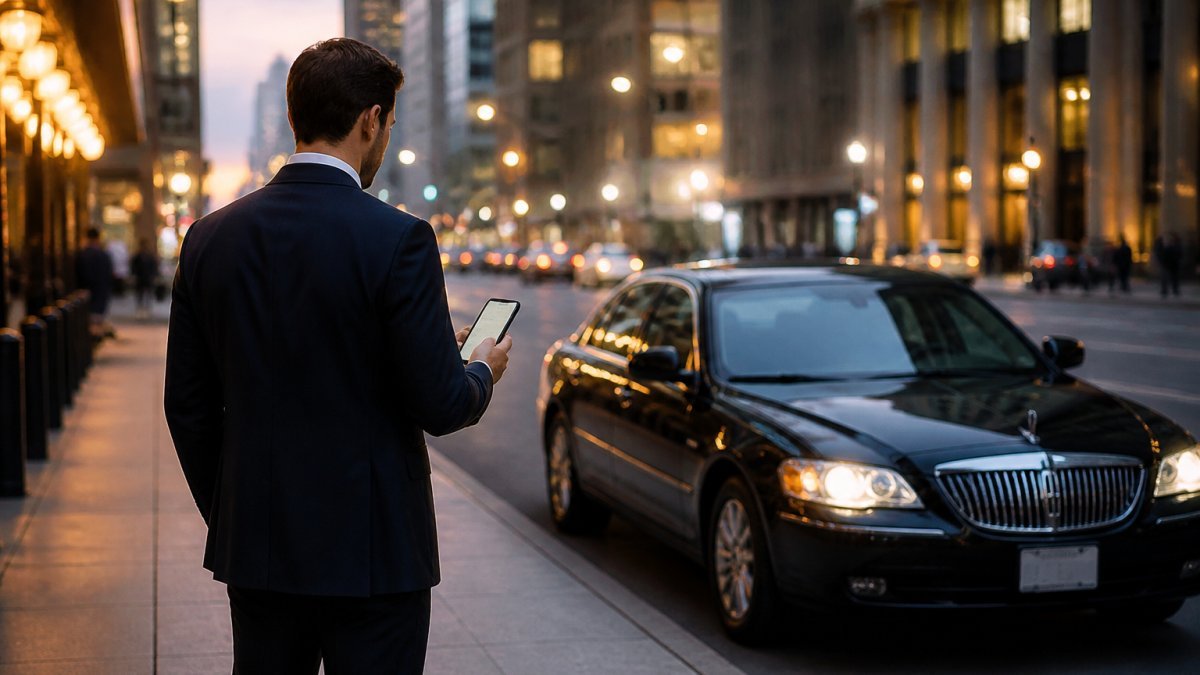
Fare transparency matters here. An upfront estimate is not a final charge (Understanding Your Upfront Fare: When It Can Change and What Extra Fees May Apply). If the route changes, wait time grows, or the trip ends differently than quoted, the final fare can differ from the number you saw (Understanding Your Upfront Fare: When It Can Change and What Extra Fees May Apply).
Does Waiting Lower Surge Pricing?
Waiting can lower surge pricing when demand is temporary. If a concert just let out, fares may drop once the crowd clears and drivers arrive. If demand is driven by rush hour or weather, waiting may not help much. The key is to wait with a stopping rule, not to wait indefinitely.
Use a reassessment loop rather than a single timer:
- Note the current multiplier and the estimated wait for a car. Write both down or screenshot them.
- Set a short interval, 10 minutes is a practical default. At the end of it, refresh the estimate and compare the multiplier to your note.
- Decide with a rule. If the multiplier has fallen and the estimated pickup time is still reasonable, wait one more interval. If the multiplier is unchanged or the pickup estimate has grown, stop waiting.
- Put a value on your time. If the surge premium is small relative to the delay, say, a few dollars against a 30-minute wait, waiting is a poor trade. If the premium is large and your trip is flexible, waiting can pay.
Signs that waiting will pay off:
- The event crowd is visibly thinning
- The surge map shows more cars entering the area
- The multiplier is dropping with each refresh
- Your trip is flexible and the premium is large
Signs that waiting is a waste:
- Rain or snow is settling in for the night
- It is the middle of rush hour
- The multiplier has held steady for 15 minutes
- Your trip is time-sensitive, a flight, a meeting, a reservation
When waiting stops being worthwhile, switch tactics rather than waiting longer: move the pickup pin to a quieter zone, compare a pooled or fixed-fare option, or check a second provider.
Wait with a rule, not a hope. Reassess every 10 minutes, stop when the multiplier holds or your pickup estimate grows, and switch to moving your pin or changing provider instead of waiting longer.
Ways to Get Cheaper Rides During Peak Hours
Cheaper rides during peak hours come from shifting your timing, your pickup spot, or your ride type. None of these require special apps, just a bit of planning.
Try these approaches:
- Travel off-peak: leave 30 minutes earlier or later to dodge busy periods
- Use a shared ride or pooling option: splitting a fare cuts the per-person cost
- Walk to a quieter pricing area: airports and venues often have cheaper adjacent pickup zones
- Split the fare with coworkers: a shared ride beats two separate surge fares
- Prebook airport transfers: scheduled rides avoid last-minute price changes
For airport runs, planning ahead matters most. If you are weighing how to get from the airport to downtown without paying peak fares, a prebooked transfer with a set price is often the calmer choice. You can see how airport-to-downtown transfers work before you book.
Nightlife and special events are the worst times to rely on a fare estimate. Book ahead or arrange alternative transportation.
Surge Pricing vs Fixed Fare: What Actually Costs Less
A fixed fare can give you price certainty for planned trips, because the price is agreed before you travel. Surge pricing only wins when demand is low and you are booking on the spot.
Here is the trade-off in plain terms:
| Factor | Surge Pricing | Fixed Fare |
|---|---|---|
| Price certainty | Changes with demand | Locked at booking |
| Best for | Spontaneous short trips | Airports, events, client travel |
| Peak-hour risk | High fare spikes | No surprise charges |
| Waiting | You may wait for prices to fall | Car arrives on schedule |
The catch with surge pricing is the uncertainty. You might save on a quiet Tuesday afternoon, but the same trip during a storm could cost far more. A fixed fare trades that gamble for a known price. You can see how much it costs to rent a limo for a night before you commit.
For most business travelers and event planners, predictability wins.
How to Compare the Total Cost of Your Alternatives
Comparing total cost means looking past the quoted fare to everything you actually pay. Service fees, tolls, waiting time, and cancellation charges all change the real number.
Use this checklist before you decide:
- Base fare plus any surge multiplier
- Service fee and booking fee
- Tolls and airport surcharges
- Waiting time if your flight is delayed
- Cancellation or rebooking charges
- Cost of your own time spent waiting
Add those up for each option, not just the headline price. For real hourly rates, check how much a limo costs in CT.
For a like-for-like comparison, contact Skylink Limousine for a current quote and match it against your expected ride-hailing total for the same trip.
What most guides miss is that your time is part of the fare. Thirty minutes waiting for a surge to drop is thirty minutes you did not plan for.
Book a Fixed-Fare Chauffeur for Your Next Trip
Booking a fixed-fare chauffeur can help you avoid surge pricing. You get one agreed price, a professional driver, and a quote set at the time of booking.
At Skylink Limousine, our fleet ranges from sedans to large coaches for 2 to 55 passengers, so a group for a corporate event can travel together. Our professional chauffeurs arrive in formal attire, and our 24/7 support is available around the clock.
Here is why riders choose a fixed fare over a surge gamble:
- Flexible payment options, online or cash
- Amenities like Wi-Fi, privacy dividers, and entertainment systems
If you want the flagship service, explore our Toronto limousine options to see the fleet and book.
Frequently Asked Questions
How can I avoid surge pricing on a rideshare app?
Check the app’s demand map before you request a ride and shift your pickup to an adjacent area with lower demand. Travel outside peak hours where your schedule allows, and compare a shared ride against a solo trip. If the multiplier is high, waiting a few minutes often helps because surge tracks real-time demand, not a fixed schedule. For trips that cannot move, a pre-booked fixed-fare car service removes the multiplier entirely.
Does waiting a few minutes lower a surge fare?
Often it does, but not always. Surge pricing responds to the balance of rider demand and driver availability at that moment. When a busy period eases, the multiplier usually drops, sometimes within minutes. The catch is that you cannot predict the exact timing, and waiting stops being worthwhile once the delay costs you more than the fare difference, for example when you risk missing a flight or a meeting.
Can changing your pickup location reduce a surge fare?
Yes, in many cases. Surge is applied by pricing area, so walking one or two blocks to a quieter street or a less congested corner can move you into a lower-demand zone. Weigh the saving against safety and accessibility: stay in well-lit, populated areas, keep the walk short, and confirm the new pickup point is easy for the driver to reach. Do not relocate to an unsafe spot just to shave a few dollars.
Is a pre-booked car service less affected by surge pricing?
A pre-booked chauffeur service can quote a fare at the time of booking. Contact Skylink Limousine for current quotes. That matters most for airport transfers, early morning departures, and corporate events where a last-minute multiplier can add significant cost. Confirm what the quote includes, such as tolls and waiting time, so the final bill matches what you agreed to.
Surge pricing will not disappear, and demand will always spike when you least want it to. The fix is to stop gambling on a fare that changes by the minute and lock in a price before you travel. Get started with Skylink Limousine and book a fixed-fare ride with a professional chauffeur, a confirmed price, and support around the clock.

RELATED POSTS
View all