Table of Contents
- Why Formal Attire Matters for Chauffeurs: Setting the Standard
- The Professional Chauffeur Dress Code: A Step-by-Step Guide
- What Should a Chauffeur Wear? Core Uniform Components
- Female Chauffeur Attire: Style Meets Professionalism
- Chauffeur Uniform for Hot Weather: Staying Cool and Polished
- Attire by Occasion and Client: Matching the Service to the Setting
- Uniform Maintenance, Hygiene, and Inclusive Policies
- Conclusion: The Lasting Impact of Formal Attire
- Frequently Asked Questions
Last Updated: October 10, 2026
Why Formal Attire Matters for Chauffeurs: Setting the Standard
Formal attire for chauffeurs is a working uniform that signals safety, competence, and respect before a word is spoken. At Skylink Limousine, we treat it as the first line of the passenger experience.
The importance of formal attire for chauffeurs comes down to trust. It also protects the brand: when a chauffeur steps out in a wrinkled shirt, the client remembers the company, not the individual. Industry guidance on professional dress, such as the Canadian Centre for Occupational Health and Safety guidance on workplace dress, supports clear, written standards over informal expectations.
A chauffeur’s outfit is a promise: this ride will be safe, quiet, and handled by a professional.
The Professional Chauffeur Dress Code: A Step-by-Step Guide
A professional chauffeur dress code is a written set of rules covering clothing, grooming, and footwear, applied the same way on every shift. Here is how to build one from scratch.
- Write the standard down. List every item: suit color, shirt type, tie, shoes, outerwear, and grooming.
- Set a fit rule. Nothing baggy, nothing tight. Jackets should close without pulling.
- Choose fabrics by season. Wool blends for cool months, lighter weaves for summer.
- Define grooming. Clean hair, trimmed nails, light or no fragrance, fresh breath.
- Set a footwear spec. Closed-toe, polished, dark, with a non-slip sole.
- Add a daily check. Chauffeurs inspect their own uniform before leaving the depot.
- Review it yearly. Update the code as client expectations change.
Build in weather allowances from day one.
What Should a Chauffeur Wear? Core Uniform Components
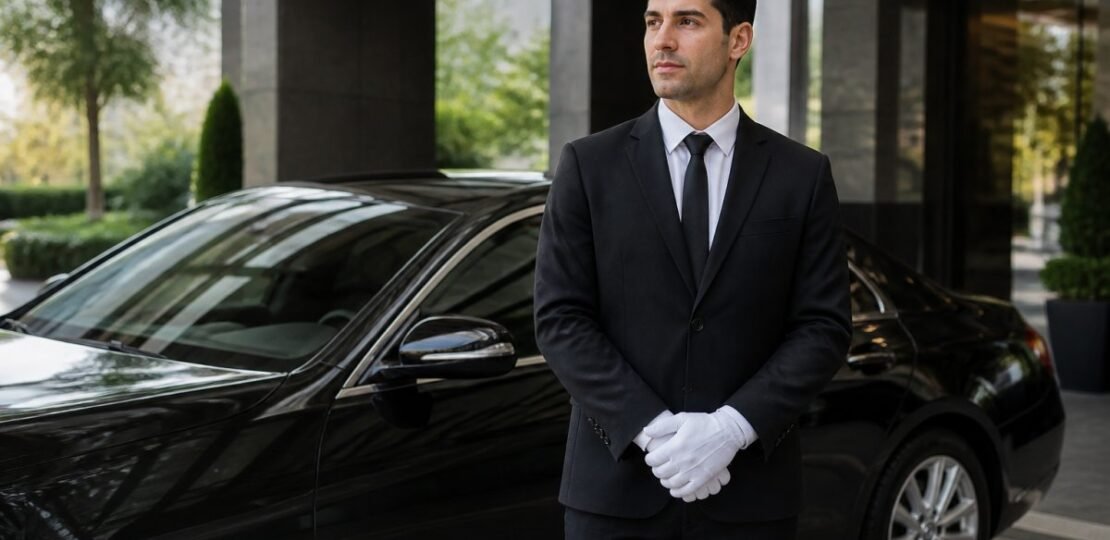
What should a chauffeur wear? The core kit is a dark suit, a pressed dress shirt, a tie, polished dark shoes, and a matching cold-weather coat. Everything else supports those five pieces.
- Suit: charcoal, navy, or black, in a wool blend that resists creasing.
- Dress shirt: white or light blue, long-sleeved, ironed.
- Tie: solid or subtle pattern, knotted neatly, never loose.
Traditional chauffeur uniforms once included breeches, leggings, puttees, and high-laced shoes. Most modern fleets have replaced these with a clean suit, but the principle holds: the uniform should look deliberate and consistent across every driver.
Female Chauffeur Attire: Style Meets Professionalism
Female chauffeur attire follows the same standard as the men’s kit, with cut and styling adjusted for fit and comfort. The goal is identical: a polished, dignified look that matches the fleet.
Practical choices we recommend:
- A tailored blazer with matching trousers or a knee-length skirt.
- A buttoned blouse in white or light blue instead of a dress shirt.
- Low-heeled, closed-toe shoes with a non-slip sole.
A female chauffeur should look exactly as formal as her male counterpart, and the policy should say so in writing, which also keeps the dress code fair and easy to enforce.
Chauffeur Uniform for Hot Weather: Staying Cool and Polished
A chauffeur uniform for hot weather has to solve one problem: staying cool without looking rumpled. Summer heat breaks cheap fabrics fast, and a sweaty, creased jacket undoes an otherwise perfect ride. The fix is not to dress down but to choose the right cloth, construction, and routine.
Pick fabric by weight, not by label
Fabric weight, measured in grams per square meter (GSM), is the biggest factor in how a jacket behaves in heat.
- Tropical wool (around 230-260 GSM): the gold standard for summer chauffeur jackets. It breathes like a light cotton but holds a crease far better, so the jacket still looks sharp after four hours in a warm vehicle.
- Wool-linen blends (around 240-280 GSM): cooler than pure wool and more wrinkle-resistant than pure linen. A good middle ground for humid days.
- High-twist wool (around 250-280 GSM): tightly spun yarns that resist creasing and dry quickly. Worth the higher cost for drivers who work long shifts.
For shirts, a two-ply cotton poplin in white or light blue at around 100-120 GSM breathes well and presses cleanly. A small amount of stretch (2-5% elastane) helps it move during loading and door service without pulling.
Construction details that matter in heat
- Half-lined or unlined jackets let air move through the back and sides; a fully lined jacket in summer is a sauna.
- Natural shoulder construction (no heavy padding) sits cooler and looks less stiff.
- Side vents let the driver reach for luggage without bunching.
Footwear and socks
Dark leather dress shoes with a leather sole breathe better than synthetic, but a thin rubber outsole with a non-slip tread is safer on wet pavement and gravel. Lightweight merino or bamboo-blend socks wick moisture and reduce odor on long shifts; carry a spare pair in summer.
A workable heat routine
- Before the shift: press the shirt, check the jacket for creases, and apply a light, unscented antiperspirant, not heavy fragrance.
- In the vehicle: cool the cabin before the client arrives and park in shade when waiting.
- Between pickups: remove the jacket only while waiting, hang it on a proper hanger (never over a seat), and blot the face and neck with a cloth.
- Touch-ups: keep a spare pressed shirt, a lint roller, and a stain-removal wipe in the trunk.
- End of shift: air the jacket out before it goes back in the closet; never store a worn jacket in a garment bag overnight.
The rule we follow is simple: comfort is fine, sloppiness is not. A chauffeur can remove the jacket while waiting, but it goes back on before the client reaches the door. Weather-appropriate clothing is good judgment, not a lower standard.
A lightweight, breathable vest over a pressed shirt is a legitimate summer alternative to a full jacket for airport transfers and daytime corporate work, but check the client’s expectations first. For weddings, galas, and VIP service, the full jacket stays on regardless of temperature.
Attire by Occasion and Client: Matching the Service to the Setting
Attire by occasion and client is where a good chauffeur reads the room. The same suit does not fit every job, and the best drivers adjust.
| Occasion | Attire Standard | Why It Fits |
|---|---|---|
| Corporate travel | Dark suit, tie, polished shoes | Matches executive expectations |
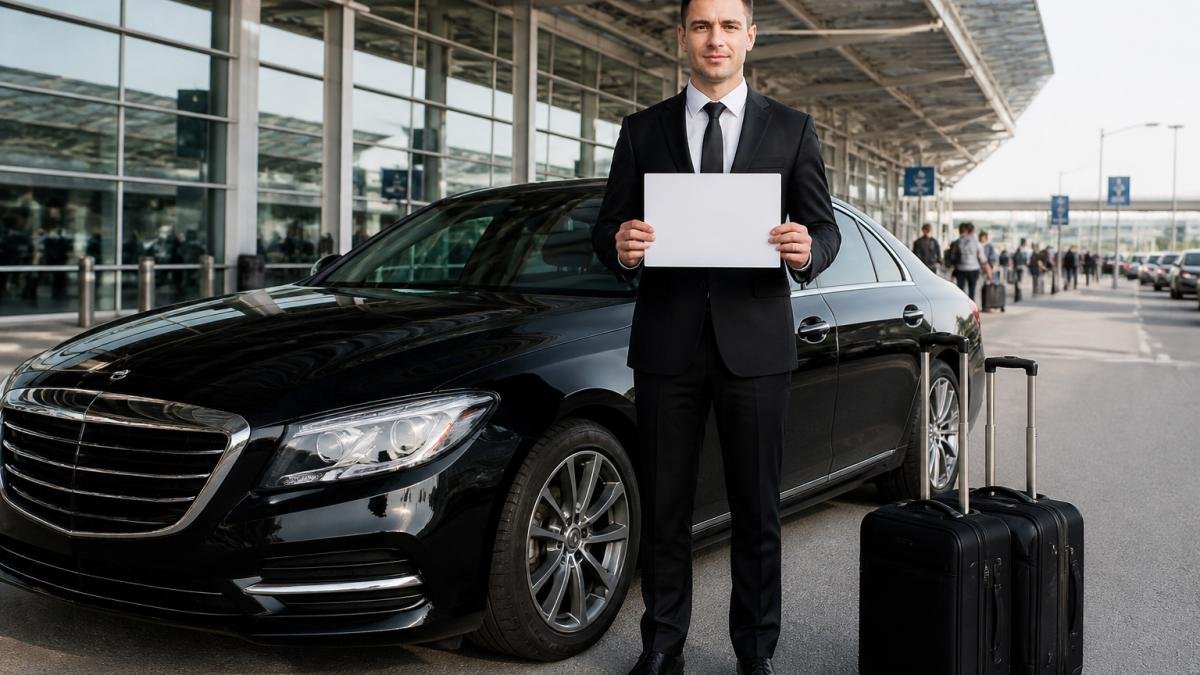
| Airport transfer | Suit, no tie in summer | Polished but practical |
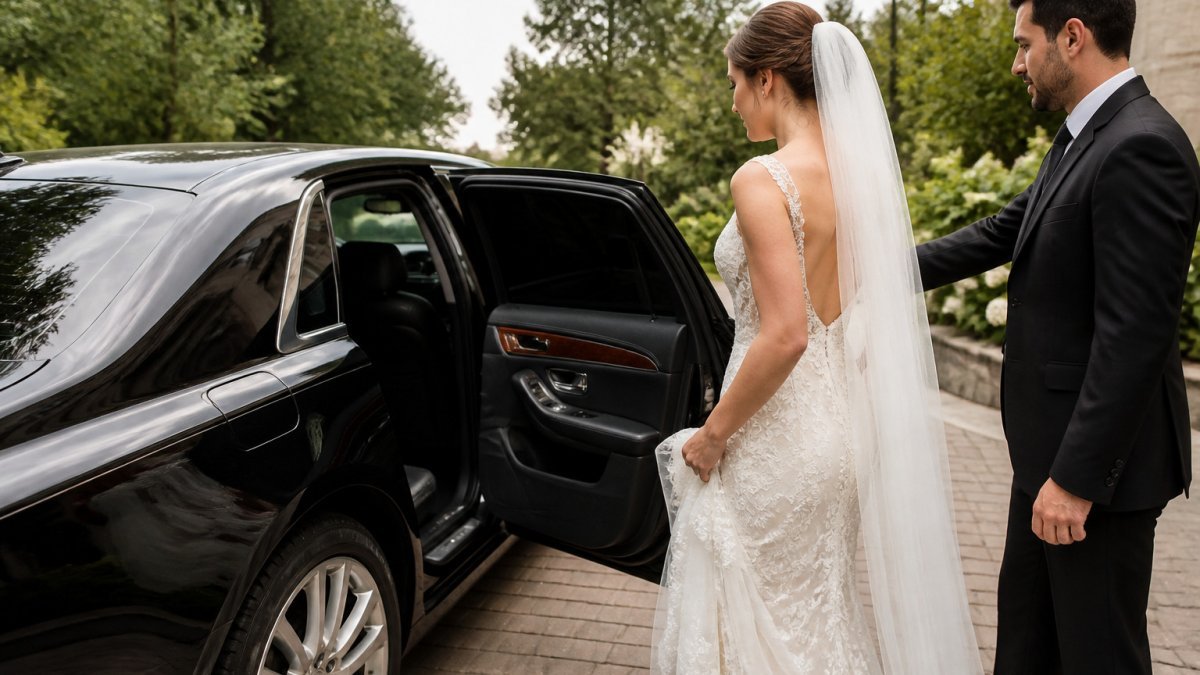
| Wedding or formal event | Full suit, tie, gloves optional | Honors the occasion |
| VIP or celebrity client | Suit, discreet styling | Protects privacy and dignity |
| Leisure tour | Blazer, open collar | Relaxed but still sharp |
Formal occasions call for the full kit: a wedding, gala, or corporate awards night expects a chauffeur who looks like part of the event, not a bystander. For VIP service, discretion matters as much as the suit, no logos, no flashy accessories, a quiet demeanour.
Keep a second tie and a lint roller in the vehicle. Five minutes before pickup, a quick check saves an entire ride.
Uniform Maintenance, Hygiene, and Inclusive Policies
Uniform maintenance and hygiene separate a policy on paper from one that holds up. A suit worn three days straight looks tired by day two.
Rotation and cleaning schedule
- Jackets: at least two per driver, rotated daily. Dry-clean every 4-6 wears, or sooner after smoky or humid conditions.
- Trousers: two to three pairs per driver. Dry-clean every 2-3 wears; they crease and soil faster than jackets.
- Shirts: at least five per driver per week. Launder after every wear, a shirt worn twice shows collar and cuff grime under vehicle lighting.
A daily pre-shift check
- Jacket cleaned, pressed, and free of lint or pet hair
- Shirt laundered, ironed, and buttoned correctly
- Tie knotted neatly and spot-free
- Trousers pressed with a visible crease
Stain triage on the road
Stains happen. The difference between a recoverable situation and a lost booking is what the driver does in the first two minutes.
- Blot, never rub. Rubbing spreads the stain and damages fabric.
- Carry a small kit: stain-removal pen, clean white cloth, lint roller, in the glovebox, not the trunk.
- Grease: blot dry, then apply cornstarch or a commercial absorbent. Water sets the stain.
- Coffee or tea: blot with cold water and a clean cloth; hot water sets tannins.
Inclusive and accessible dress-code policies
A dress code should work for every body type, faith, and ability. A code that excludes good drivers costs the company more than it saves. The Ontario Human Rights Commission guidance on dress codes and creed is clear that dress requirements must not discriminate, and smart fleets build that in from the start.
What that looks like in practice:
- Religious and cultural accommodation: allow headwear (turbans, hijabs, kippahs, and similar) in uniform-matching colors where possible, and facial hair worn for religious reasons. Never force a driver to choose between faith and the job.
- Gender-inclusive uniforms: offer the same core kit, jacket, shirt, trousers or skirt, closed-toe shoes, to every driver, with cuts adjusted for fit rather than a separate “women’s” standard.
- Disability and medical accommodation: permit flat or orthopedic shoes for documented foot conditions, and seated or modified duties during injury recovery where the role permits. Keep experienced drivers working rather than sidelining them over footwear.
- Body-type range: stock tall, petite, and plus sizes. A driver squeezed into the wrong size looks worse than one in a well-fitted alternative.
Why this matters commercially
A consistent, well-maintained uniform is one of the few service-quality signals a client sees before the ride begins. The uniform is not a cost center, it is part of the product.
Skipping the daily uniform check is the fastest way to lose a corporate account. One wrinkled shirt on a client pickup can undo months of reliable service.
Conclusion: The Lasting Impact of Formal Attire
The importance of formal attire for chauffeurs shows up in the small moments: a client who relaxes the second they see a sharp-suited driver, a wedding party that feels looked after, an executive who books again without thinking.
At Skylink Limousine, our chauffeurs arrive in formal attire, backed by 24/7 support and a fleet that ranges from sedans to large coaches.
Frequently Asked Questions
What does a female chauffeur wear?
Female chauffeur attire mirrors the professional standards of male counterparts: a tailored suit, blouse, and closed-toe shoes. Many companies offer options like a skirt or trousers, with a blazer for a polished look. The key is consistency with the brand’s image and client expectations. In hot weather, lightweight fabrics and a neat updo keep things professional. For formal events, a dark suit or dress with subtle jewelry works well. Always prioritize comfort and safety while maintaining a dignified appearance.
Why is a chauffeur uniform important for first impressions?
A chauffeur’s uniform is often the first thing a passenger notices, and it sets the tone for the entire experience. A well-fitted formal suit, clean shirt, and polished shoes signal reliability, attention to detail, and respect for the client. This builds immediate trust, especially for corporate travelers who expect a seamless, professional service. When a chauffeur looks sharp, it reflects positively on the employer’s brand and can lead to repeat bookings. A sloppy appearance, on the other hand, can undermine confidence and damage the company’s reputation.
Should chauffeurs wear formal attire in hot weather?
Yes, but adjustments are needed. In hot weather, chauffeurs should opt for lightweight, breathable fabrics like cotton or linen blends in dark colors that still look formal. A short-sleeved dress shirt with a tie may be acceptable if company policy allows, but a full suit is often preferred for client-facing roles. Staying cool without sacrificing professionalism is key: consider moisture-wicking undershirts, keep a spare jacket for airport pickups, and use air conditioning strategically. Hydration and grooming checks throughout the day also help maintain a fresh appearance.
How can chauffeurs maintain their uniform throughout a long shift?
Chauffeurs should carry a small kit with a lint roller, stain remover wipes, and a spare tie. Between rides, quickly check for wrinkles and touch up as needed. Avoid eating messy foods in uniform and use a garment bag for storage. For hot weather, keep a fresh shirt in the vehicle. Regular dry cleaning and polishing shoes weekly keep the uniform in top shape. A well-maintained uniform shows clients you take pride in your work and ensures you always look your best.
Formal attire sets the tone for every ride, and it is one of the easiest ways to earn a client’s trust. Skylink Limousine dresses every chauffeur to that standard, with 24/7 support, a fleet sized from 2 to 55 passengers, and flexible payment options online or in cash. Get started with Skylink Limousine and book a ride that looks as professional as it feels.
RELATED POSTS
View all